Health & Safety Policy for Garden Maintenance West Ham
Garden Maintenance West Ham is committed to the highest standards of health and safety for all staff, subcontractors, clients and the public while delivering professional garden care and landscaping services. This policy sets out our approach to managing risks associated with gardening operations, grounds maintenance and green space services across our service area. It outlines responsibilities, safe systems of work, training, and the control measures we apply to prevent injury, illness and environmental harm.Scope and Objectives
The policy covers routine garden maintenance, seasonal works, hedge trimming, lawn care, pruning, planting, hard landscaping, and safe handling of tools, equipment and approved substances. Our objectives include reducing incidents, promoting safe working practices, and ensuring that everyone involved in garden services understands their role in maintaining a safe workplace. The document also supports continuous improvement through audits and regular reviews of safe working methods.
Key Responsibilities
All employees and operatives must follow safe systems of work and report hazards. The management team is responsible for providing adequate resources, safe equipment, training and supervision. Specific duties include:- Managers: risk assessments, method statements, and ensuring compliance with company safety procedures.
- Supervisors: daily briefings, monitoring work practices and corrective action.
- Operatives: using PPE correctly, following instructions and reporting defects.
Risk Assessment and Safe Systems
We carry out dynamic and documented risk assessments before starting work on any site or project. These assessments identify potential hazards such as traffic, overhead utilities, uneven terrain, hidden services, manual handling and use of power tools. Method statements are produced for higher-risk tasks and are communicated to every team member on site. Control measures are selected to eliminate risks where possible, or reduce them using hierarchy-of-control principles.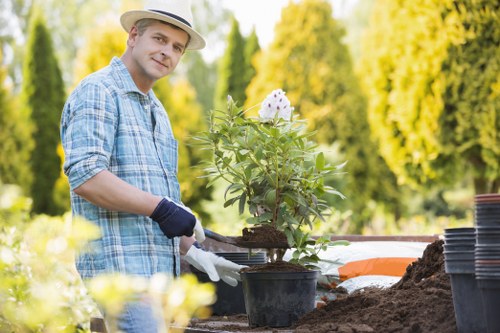
Personal Protective Equipment (PPE) and Clothing
Appropriate PPE is provided and must be worn at all times during operations where risk has been identified. This may include protective footwear, gloves, eye and ear protection, hi-vis clothing, and appropriate respiratory protection for dusty tasks. PPE is maintained, inspected and replaced as needed. We also promote safe footwear and clothing standards for changes in weather and seasonal conditions.Equipment and vehicle safety are critical. All tools, machines and vehicles are inspected, serviced and logged according to a planned maintenance schedule. Only trained personnel operate mechanical equipment such as ride-on mowers, chainsaws, stump grinders and chipper-shredders. Lock-out procedures and barriers are used where machinery presents a risk to others.
Handling Substances and Environmental Protection
When using approved pesticides, fertilizers or fuel, we follow safe storage and handling practices. Containers are clearly labelled and stored securely. Spill kits and waste management procedures are in place to protect soil and waterways. Our approach balances effective garden maintenance with environmental stewardship, reducing chemical use where possible and promoting sustainable alternatives.Training, competencies and communication form the backbone of our safety culture. All staff receive induction training and job-specific instruction, with access to refresher courses and practical assessments. Toolbox talks, site briefings and incident debriefs ensure that lessons are shared across teams. We maintain records of training and competence assessments to demonstrate ongoing suitability for tasks.
Emergency Response and Incident Management
Clear emergency procedures are available to all operative teams, including first-aid arrangements, incident reporting and escalation. First-aid equipment is provided on-site and staff are trained to respond promptly to injuries, allergic reactions and significant incidents. Near misses and accidents are reported and investigated to identify root causes and preventive measures. We strive to learn from every incident and adapt our procedures accordingly.Monitoring, Review and Continuous Improvement
We monitor health and safety performance through regular site inspections, audits, and performance indicators such as incident frequency, completion of risk assessments and equipment service logs. Policy effectiveness is reviewed annually or after a significant event, with updates communicated to staff. Continuous improvement includes adopting new safe technologies, improving training content and sharing best practice across the team.Employee involvement is encouraged: staff are invited to raise safety concerns, suggest improvements and participate in risk assessment discussions. We believe that a collaborative culture reduces risk and improves service delivery for clients receiving garden maintenance and grounds care services across the wider area.